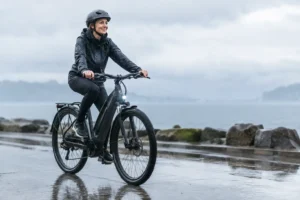
A bike that looks perfect on the internet or a showroom floor can feel very different halfway across the bridge, on a sandy trail, or during a relaxed ride through your neighborhood. Electric bike fitting is what turns a good EBike into one you want to ride often. The right fit helps you pedal efficiently, reach the controls with confidence, stay comfortable over longer distances, and enjoy the extra power without feeling stretched out or unsteady.
For riders around Jacksonville, Yulee, and Northeast Florida, fit matters because our riding is rarely one-size-fits-all. One customer may want an easy step-through bike for errands and waterfront paths. Another may be commuting several days a week, towing gear to the campground, or riding fat tires over loose sand. Your height is part of the conversation, but your comfort, flexibility, riding goals, and confidence matter just as much.
What Electric Bike Fitting Actually Changes
An EBike fitting is not about forcing your body into a racing position. It is about adjusting the bike so it supports the way you plan to ride. That starts with frame style and size, then moves to the saddle, handlebar position, pedal reach, and the placement of controls such as the display, shifter, throttle, and brake levers.
Electric bikes deserve a little extra attention because they are heavier and faster than many traditional bikes. A comfortable riding position gives you better control when starting from a stop, making a turn, braking on a damp road, or maneuvering a loaded bike. If you have to overreach for the brakes or cannot put a foot down comfortably at an intersection, the bike may feel intimidating even if its motor has plenty of power.
A proper fit also protects the fun. Numb hands, sore knees, a tight neck, or a painful saddle are not signs that you simply need to “get used to” riding. They are often signals that an adjustment is needed.
Start With How You Want to Ride
Before focusing on measurements, think honestly about where your EBike will take you. A rider who wants a comfortable cruise through Amelia Island or around the neighborhood may prefer a more upright position, wide handlebars, a cushioned saddle, and a step-through frame. That setup makes frequent stops and starts easy while keeping your head up to see traffic, pedestrians, and scenery.
A longer-distance commuter may accept a slightly more forward position for efficient pedaling and improved control at speed. A fat-tire adventure rider might prioritize a stable stance, suspension, and handlebar reach that stays comfortable when terrain gets bumpy. For RV travelers, folding EBikes add storage convenience, but the folded design should still provide enough adjustment range for a natural riding posture.
There is no universal “best” fit. A low, aggressive position may work well for an experienced rider chasing mileage, while it can be uncomfortable for someone returning to cycling after years away. The best choice is the one that makes you feel balanced, capable, and excited to ride again tomorrow.
Find the Right Frame Before Adjusting Anything Else
Frame size sets the foundation. When standing over a traditional top-tube frame, you should have reasonable clearance between yourself and the frame. The exact amount varies by bike style, but you should never feel crowded or trapped when stopping. A step-through frame removes much of that concern and is an excellent option for riders with limited hip mobility, knee concerns, cargo to manage, or a preference for easier mounting and dismounting.
Seat height is equally important. At the bottom of the pedal stroke, your knee should have a gentle bend rather than being locked straight or deeply bent. A seat that is too low can make pedaling feel cramped and put extra strain on your knees. A seat that is too high can make you rock side to side, reach awkwardly for the ground, and lose confidence at stops.
Many newer riders make the seat very low so they can put both feet flat on the ground while sitting. That can feel reassuring at first, but it usually compromises pedaling comfort. A better approach is to set the saddle for efficient pedaling, then slide forward slightly off the saddle when stopping so you can place one foot firmly on the ground. If that still feels uncomfortable, a step-through model, lower standover height, or different frame size may be the better answer.
Dial In the Saddle and Handlebar Position
The saddle is not just a place to sit. Its height, fore-and-aft position, angle, width, and cushioning all influence how your body feels after a few miles. A comfort saddle can be a smart upgrade for casual riders, but more padding is not automatically better. Very soft seats can create pressure and rubbing on longer rides. The right saddle supports your sit bones while allowing you to pedal naturally.
Start with the saddle level. If it tips sharply upward, it may create uncomfortable pressure. If it points too far downward, you may slide forward and put too much weight on your hands. Small adjustments can make a surprising difference, so change one thing at a time and ride for a few minutes before changing it again. GO EBIKES has saddle options on posts so you can place them on your EBike and decide what is most comfortable before making your decision.
Your handlebars should allow relaxed arms and shoulders. You should not need to lock your elbows, shrug your shoulders, or strain your neck to see ahead. An upright handlebar position is especially popular with recreational riders, older adults, and anyone who values visibility and comfort. Riders who want more speed or a firmer feel may prefer a modest forward lean, as long as they can still reach the brake levers easily. Handlebar changes are relatively easy, so if you like the feel of a particular EBike, but are not thrilled with the handlebars, GO EBIKES can swap out handlebars for the setup you need.
A suspension seat post can help smooth rough pavement, shell roads, and trail chatter without requiring a full-suspension bike. It is a practical comfort upgrade, particularly if your preferred frame or ride style does not include rear suspension. Suspension seat posts are available as part of the accessory packages at GO EBIKES.
Electric Bike Fitting on a Test Ride
A test ride tells you more than a specification chart ever can. During the first minute, do not focus only on motor power. Check whether you can start, stop, turn, and shift your body position without hesitation. Then ride long enough to notice what your hands, knees, back, and shoulders are telling you.
Use this quick check during a test ride:
- Can you place a foot down securely when stopping and remount without struggling?
- Can you reach both brake levers, the shifter, throttle, and display controls without changing your grip?
- Do your knees track comfortably as you pedal, without feeling cramped or overextended?
- Can you look over your shoulder, signal, and make a slow turn while feeling stable?
- Does the saddle feel supportive after several minutes, not just when you first sit down?
Try multiple assist levels, too. Higher pedal assist changes how quickly the bike responds and how little force you need to put through the pedals. Make sure the bike feels predictable at low speed, where balance and control matter most. If a bike has a throttle, practice using it gently from a standstill. The right fit gives you a stable, ready position before the motor begins moving the bike. Don’t forget, these EBikes have gears like traditional bikes so shift through them to feel how easy it is to shift and how it changes power delivery as you pedal.
Do Not Forget the Details That Affect Control
Accessories can improve fit and safety, not just add convenience. A properly sized helmet is essential, and a mirror can reduce the need for repeated shoulder checks in traffic. A rear basket or cargo solution can keep weight off your back, which is especially helpful on longer rides. If you carry a heavy bag in a backpack, even an otherwise good bike fit can start to feel uncomfortable.
Grip shape matters for riders with hand fatigue or arthritis. Comfortable grips can reduce wrist pressure, while a handlebar adjustment may improve the angle of your hands. If you need to keep the bike outdoors or transport it often, a fitted cover and appropriate hitch rack help protect the investment and make riding easier to work into daily life.
Professional assembly matters here, too. A bike can be the right model and size but still feel wrong if the handlebars, saddle, brake levers, or controls were not set up carefully. At GO EBIKES, the value of seeing and test riding an EBike in person is that these details can be discussed and adjusted before you make your decision.
When Comfort Changes After You Buy
Your ideal setup can evolve. A saddle that felt fine for short rides may not be ideal after you begin taking 20-mile weekend trips. As your confidence grows, you may raise the seat slightly, change the handlebar position, or add suspension and comfort accessories. That is normal, and it is a good reason to choose a local EBike partner that can help with service and adjustments.
Do not ignore recurring pain. Knee discomfort may point to saddle height or pedal position. Numb hands may mean too much weight is landing on the bars. Back or neck tightness can come from too much reach, a handlebar that is too low, or a riding posture that does not match your flexibility. A few thoughtful adjustments are often more effective than replacing the whole bike.
The right EBike should make a grocery run, morning commute, campground loop, or sunset ride feel more possible. Take the time to sit on different frames, test ride at your own pace, and ask for setup help. When your bike fits your body and your life, the miles tend to take care of themselves.