A common concern comes up before a first test ride: are ebikes hard to pedal when the motor is off or when the battery runs low? For most riders, the answer is no – but the real answer depends on the bike’s weight, tires, gearing, terrain, and the kind of ride you have planned, and of course one’s own physical abilities. A lightweight commuter eBike on smooth pavement feels very different from a loaded fat-tire bike rolling through soft sand near the coast.
The good news is that an eBike is still a bicycle. You pedal, shift gears, steer, brake, and choose how much help you want. The motor is there to reduce the parts of riding that can feel discouraging: starting from a stop, crossing a bridge, fighting a headwind, or getting home after a long afternoon outside. For Jacksonville-area riders, that can make the difference between taking the bike out regularly and leaving it parked in the garage.
Why an eBike Can Feel Easy or Hard to Pedal
An eBike has more components than a standard bicycle: a battery, motor, display, wiring, and usually a sturdier frame. That added equipment means most eBikes weigh more than an unpowered bike. A typical commuter model may be manageable to pedal without assistance, while a fat-tire, full-suspension model or electric trike can require noticeably more leg effort with the motor turned off.
Weight matters most when you are accelerating, climbing, or carrying the bike. Once you are rolling on level pavement in the right gear, a well-built eBike should track comfortably. The motor’s assistance makes the added weight far less noticeable during normal riding.
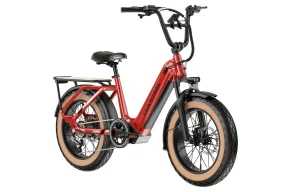
Tire choice also changes the feel. Narrower commuter tires generally roll efficiently on roads, bike paths, and neighborhood streets. Wider fat tires add confidence on uneven trails, grass, packed dirt, and sandy conditions, but their larger contact patch creates more rolling resistance, however that is far less noticeable on an ebike where a motor is assisting you. That is a worthwhile trade-off for riders who value stability and all-terrain comfort, especially around coastal Northeast Florida.
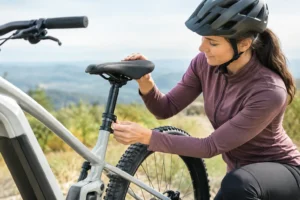
The final major factor is fit. A seat set too low can make every pedal stroke feel cramped. Bottom line is, the higher you are able to comfortably sit, the easier it is to pedal. Handlebars that are too far away can put unnecessary pressure on your back, shoulders, and wrists. Before deciding that an eBike feels difficult, make sure the saddle height, reach, and frame style suit your body. A step-through frame, comfort seat, or suspension seat post can make a bigger difference than many new riders expect.
How Pedal Assist Changes the Ride
Pedal assist is the feature that makes an eBike feel like your ride, just with more usable energy available. As you pedal, the motor adds power based on the selected assist level. Low assist gives a gentle boost and preserves more battery range. Higher assist makes acceleration easier and helps flatten hills, headwinds, and longer routes.
You are not locked into one setting. On a relaxed ride through the neighborhood, you might use a lower level and get more exercise. When traffic starts moving after a stoplight or the afternoon heat catches up with you, you can raise the assistance with a button at the handlebar. That flexibility is why eBikes work for couples and families with different fitness levels. Everyone can ride together without turning the outing into a race.
Some models also include a throttle. These are Class 2 EBikes. A throttle can provide power without pedaling, depending on the bike and local riding rules. It is especially handy for getting moving from a complete stop, crossing an intersection, or taking a quick break from pedaling. It is not a replacement for good shifting, safe braking, or rider awareness, but it can add real confidence for newer riders and those managing sore knees or reduced mobility.
Pedal Assist Does Not Mean No Pedaling
Most eBike riders still pedal because it feels natural, extends range, and keeps the ride engaging. The goal is not to make cycling effortless at every moment. It is to let you decide how much effort a particular moment deserves.
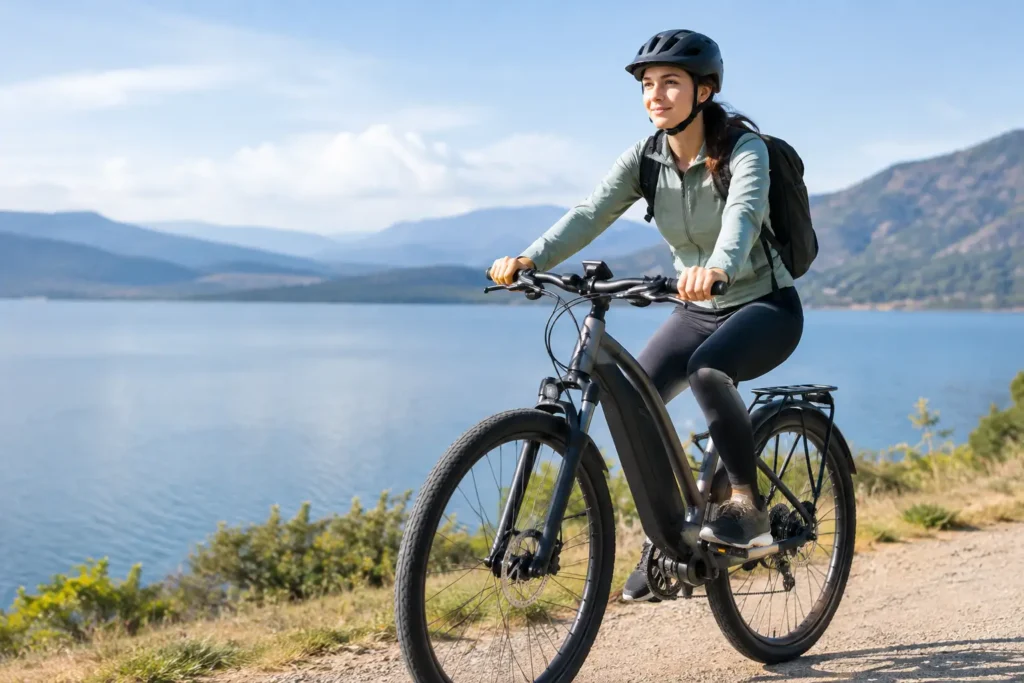
Think of pedal assist as a helpful tailwind you can control. You may still feel the road and turn the cranks, but a hill becomes less intimidating and a ten-mile ride becomes more realistic. That is particularly valuable for commuters who need to arrive without feeling drained or recreational riders who want to explore farther than they would on a conventional bike.
Gears Matter More Than Many First-Time Riders Realize
A motor is not a reason to ignore the gears. Proper shifting keeps the motor and your legs working efficiently together. Start in an easier gear when pulling away from a stop, then shift into harder gears as you build speed. Before a bridge, hill, or headwind, shift down early rather than waiting until the pedals feel heavy.
This is where a quality drivetrain earns its keep. A well-adjusted Shimano drivetrain, for example, gives riders predictable shifting so they can find a comfortable pedaling rhythm. On a mid-drive eBike, gear selection is especially important because the motor works through the bike’s chain and gears. Used correctly, a mid-drive system offers a responsive, natural pedaling feel and excellent climbing ability.
Hub-motor eBikes can also be very easy to ride. Their power delivery is straightforward, and they are popular for commuting, cruising, and fat-tire adventures. Neither style is automatically better for every rider. The right choice depends on your route, comfort priorities, desired range, and how much you value hill-climbing performance versus simple everyday operation.
Are eBikes Hard to Pedal With No Battery?
If the battery runs out, an eBike does not suddenly stop working. You can still pedal it home. However, a heavier eBike with wide tires will feel more demanding than a lightweight regular bike, especially into wind or over bridges. Riders should not plan to use a large eBike like a standard bicycle with the motor permanently off.
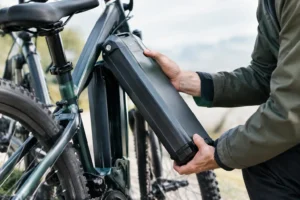
A better approach is to manage your battery before the ride. Charge it fully if you are planning a long ride, select an assist level that matches your route, and use lower assistance when conditions are easy. If you are riding a long distance, avoid using maximum power for every mile unless you truly need it. Many displays show battery level, speed, distance, and assist setting, making it easy to ride with confidence rather than guesswork.
Battery range is never one fixed number. Rider weight, cargo, hills, wind, tire pressure, temperature, assist level, and frequent throttle use all affect it. A rider cruising on level pavement at low or moderate assist will usually go farther than someone using maximum assistance on soft terrain with a heavy rear basket.
Choosing an eBike That Feels Comfortable From Day One
The easiest eBike to pedal is usually the one that matches how you will actually use it. A city or commuter eBike is a smart fit for paved paths, errands, and daily transportation. A folding model can work well for RV travelers or riders with limited storage. Fat-tire models bring confidence to rougher ground and mixed surfaces, while full-suspension bikes smooth out bumpy trails and uneven roads.
For riders who prioritize stability, an electric trike offers a secure platform and can make stopping and starting less stressful. For riders who want a more athletic, connected pedaling experience, a mid-drive model may be worth a close look. Step-through frames deserve attention, too. They make mounting and dismounting easier, particularly when carrying a bag, wearing everyday clothing, or dealing with limited flexibility.
Do not overlook accessories that improve the actual riding experience. A properly fitted helmet, mirror, basket, rear rack, lights, and comfortable seat can turn a bike from occasionally useful into a regular part of your week. For riders carrying groceries, beach gear, or work essentials, the right cargo setup prevents extra weight from shifting around and making the bike feel harder to control. GO EBIKES offers many of these accessories options for free with the purchase of a Mokwheel EBike.
The Value of a Real Test Ride
Specifications can tell you battery size, motor wattage, and tire width. They cannot tell you how naturally a bike fits your hands, whether you like the saddle, or how confident you feel starting and stopping. That is why a test ride matters.
At GO EBIKES in Yulee, you can compare frame styles and ride categories before making your decision. Try pedaling at low assist, then increase the power. Practice shifting. See how the bike feels through a turn and when you come to a stop. A locally assembled eBike with professional setup also helps ensure brakes, gears, tire pressure, and controls are ready for the road.
If you have been avoiding eBikes because you worry they will be too heavy or too complicated, let the ride answer the question. Choose a bike that supports the way you want to move, then give yourself a few minutes to get comfortable with the controls. The first easy pedal stroke may be all it takes to plan your next ride.