A steep bridge, a neighborhood incline, or a long climb after a day at the beach can change how a bike feels fast. So, can eBikes climb hills? Yes – and the right eBike can make hills feel far more manageable than they do on a traditional bicycle. The key is matching the bike’s motor, gearing, battery, and fit to the hills you actually plan to ride.
For riders around Jacksonville, Yulee, and Northeast Florida, that may mean handling an overpass, a windy coastal route, a campground road, or a rolling trail without arriving worn out. An eBike does not make gravity disappear, but it adds the support that helps more riders enjoy the route instead of avoiding it.
Can eBikes Climb Hills Comfortably?
Most quality eBikes can climb moderate hills with confidence. Many can tackle steeper grades, too, especially when the rider uses pedal assist and the bike has enough torque and appropriate gearing. The experience varies widely, though. A short, steep driveway demands something different from a long climb with a loaded rear rack or a sandy, uneven trail.
Think of hill climbing as a team effort between you and the bike. The motor supplies extra power, while your pedaling, gear choice, tire pressure, rider weight, cargo, and road surface all affect how easily the bike moves uphill. Even a powerful eBike will climb better when it is in the right gear and ridden with a little planning.
For many first-time riders, the biggest surprise is not simply that an eBike gets up the hill. It is that they can reach the top without the heavy breathing, knee strain, or stop-and-walk moment they may associate with a standard bike. That added confidence can make commuting, recreation, and everyday errands feel much more practical.
What Makes an eBike Good at Climbing Hills?
Torque matters more than a big watt number
Motor wattage gets plenty of attention, but torque is often the more useful number when hills are involved. Torque is the twisting force that helps turn the wheel under load. More torque generally means stronger low-speed pulling power, which is exactly what you want when a hill gets steep or you are starting from a stop.
A higher-watt hub motor can provide satisfying assistance on paved hills, especially for relaxed recreational riding. But a mid-drive motor is often the stronger choice for frequent or demanding climbs because it works through the bike’s gears. That allows the motor to take advantage of lower gears, much like a car shifts down before climbing a grade.
The best setup depends on where and how you ride. If your routes include occasional bridges and gentle inclines, a capable hub-drive commuter or fat-tire eBike may be a great fit. If you expect repeated steep climbs, carry gear, or want to ride more challenging terrain, a mid-drive model is worth a serious test ride.
Gears help the motor work smarter
An eBike is still a bicycle, which means shifting matters. Before a climb, shift into an easier gear so you can maintain a comfortable pedal cadence. This reduces strain on you and helps the motor operate efficiently instead of lugging at very low speed.
Many riders make the mistake of waiting until they are halfway up a hill and struggling before shifting. It is much easier to shift early, add pedal assist as the grade increases, and keep steady pressure on the pedals. If your bike has a Shimano drivetrain or a similar multi-speed setup, use it. Those gears are not just for riding without power – they are an important part of smooth, controlled hill climbing.
Battery capacity affects how far you can climb
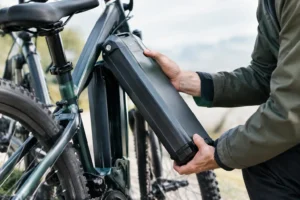
A battery does not determine whether an eBike can get up one hill, but it strongly affects how long that powerful assistance remains available. Steep grades, high assist levels, heavy cargo, headwinds, soft terrain, and frequent throttle use all consume more battery than flat cruising.
If you live in an area with regular hills or plan longer recreational rides, choose a battery with enough capacity for your real-world route rather than the most optimistic range estimate. Range claims are usually based on favorable conditions. A rider using maximum assistance up repeated hills will get less range than someone cruising flat pavement in a low assist setting.
This is also why it helps to start a longer ride with a full charge. A battery that is low, cold, or aging may not deliver the same climbing performance as a fully charged battery in good condition.
Bike weight, rider weight, and cargo count
Electric bikes are heavier than regular bikes because of the motor, battery, stronger frame, and added components. That weight gives many eBikes a stable, planted feel, but it also means hills ask more from the system. Add a rider, a basket full of groceries, a child seat, camping gear, or a pet trailer, and the demand rises again.
That does not mean heavier riders or loaded bikes cannot climb well. It means motor torque, gears, and battery capacity become more important. A sturdy frame and a bike rated for the total load you plan to carry are just as important as a strong motor. For an RV traveler bringing folding bikes, for example, it is smart to consider the rider, cargo, and terrain together instead of choosing solely on how compact the bike looks.
Hub Drive vs. Mid-Drive for Hills
Hub-drive eBikes place the motor in the wheel, usually the rear wheel. They are straightforward, popular, and often an excellent value. On moderate grades and everyday pavement, a quality hub-drive bike can feel strong and enjoyable. Many riders appreciate the simple power delivery and throttle-equipped options that can help get moving from a stop.
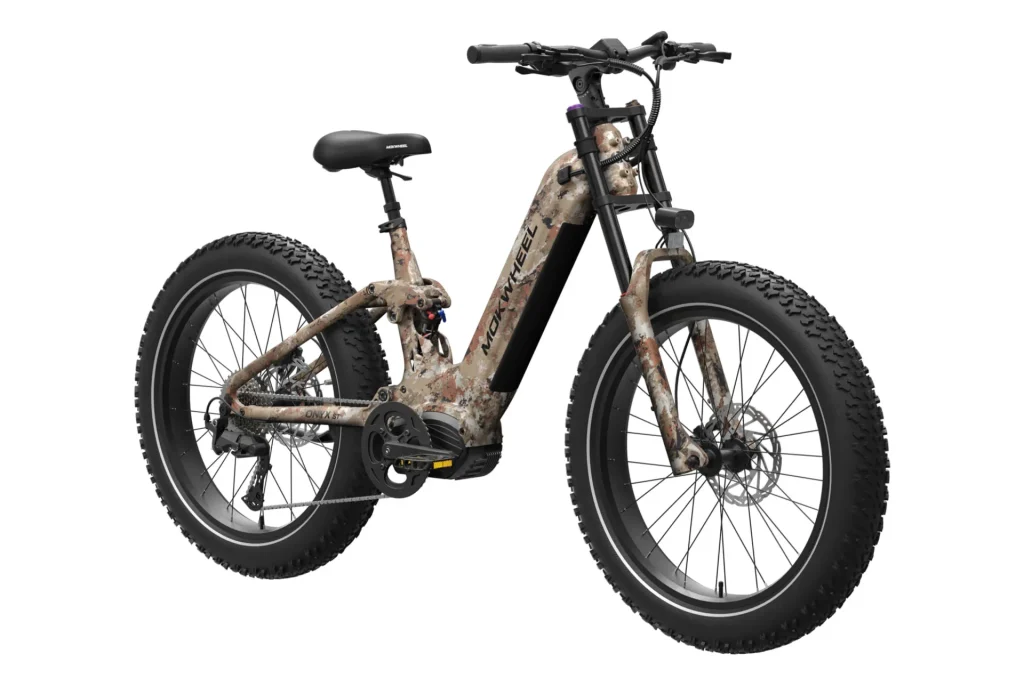
Mid-drive eBikes place the motor near the pedals. Because the motor works with the bike’s drivetrain, it can use low gears for more efficient climbing. This is especially helpful on longer, steeper hills, uneven terrain, and rides where you want to carry cargo without draining the battery as quickly.
There is a trade-off. Mid-drive bikes can cost more and ask riders to be more mindful about shifting. But for riders who prioritize hill performance, trail capability, or a more natural pedaling feel, that investment can be worthwhile. The right answer is not always the highest-priced bike. It is the bike that makes your usual ride feel easy enough that you want to take it again tomorrow.
How to Ride an eBike Up a Hill
Good technique makes a noticeable difference, even with plenty of motor power. Approach the hill with some momentum when it is safe to do so, then shift down before the grade becomes difficult. Increase pedal assist gradually rather than jumping immediately to the highest setting on every incline.
Stay seated when possible, keep your upper body relaxed, and pedal consistently. Spinning an easier gear is usually more efficient than pushing hard on a heavy gear at a slow cadence. If the hill is especially steep, use a higher assist level and let the motor support your effort rather than trying to overpower the climb yourself.
Throttle can be useful, particularly when restarting on an incline, but it uses battery quickly when used alone for extended climbing. Combining light pedaling with pedal assist is usually the better strategy for range and control. On loose gravel, wet pavement, or sandy ground, smooth power matters even more. Sudden throttle input can reduce traction, especially on a rear-wheel-drive bike.
Tires, Suspension, and Fit Also Shape the Ride
Hill climbing is not only about getting to the top. You also need to feel secure coming back down. Wider tires can add comfort and traction on mixed surfaces, while fat tires are especially appealing for riders who expect sand, dirt roads, campground paths, or rough pavement. They do create more rolling resistance on smooth roads, so they may require a bit more energy than narrower commuter tires.
Suspension can improve comfort and control on bumpy climbs and descents, particularly on full-suspension or fat-tire models. A suspension seatpost can also make a meaningful difference for riders who want comfort without stepping up to a full-suspension bike.
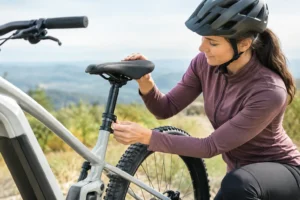
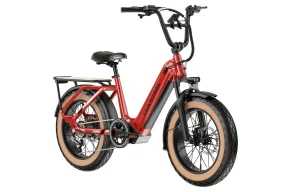
Fit is equally important. If the saddle is too low, the handlebars are uncomfortable, or the frame feels too tall, hills will feel harder than they should. Step-through frames offer easy mounting and dismounting, which can be reassuring when stopping on an incline. Electric trikes provide another confidence-building option for riders who want added stability at low speed or while carrying cargo.
Test Ride Before You Buy
Specifications tell part of the story. A test ride tells you whether the bike’s power delivery, seating position, brakes, weight, and controls feel right for you. If hills are a concern, ask to try a bike in the assist level you expect to use and practice shifting through the gears. Notice whether you feel confident starting, stopping, and turning.
At GO EBIKES, a local test ride gives you the chance to compare commuter, fat-tire, mid-drive, folding, step-through, and trike options before making a decision. You can also see how a rear rack, basket, comfort seat, mirror, helmet, or hitch rack fits into the way you plan to ride. Free assembly matters here, too: a professionally set up bike is ready to perform the way it was designed to.
The right eBike will not turn every hill into a flat road, and that is not the goal. It should make the climb feel within reach, leave enough energy for the rest of your day, and give you a reason to choose the scenic route next time.