A new eBike can make a Jacksonville commute, a ride through your neighborhood, or a weekend route near the coast feel a whole lot more possible. But before you head out, it is fair to ask: do eBikes need insurance in Florida? For most riders, the short answer is no. Florida generally does not require insurance for a properly classified electric bicycle.
That does not automatically mean going without coverage is the best move. An eBike is a valuable piece of transportation equipment, and the right policy can help protect you from theft, crash damage, and certain liability costs. The smart decision comes down to the bike you ride, where you park it, and how much financial risk you are comfortable taking on.
Do eBikes Need Insurance in Florida?
Most standard eBikes do not need insurance, registration, a license plate, or a driver’s license in Florida. State law generally treats a qualifying electric bicycle much like a traditional bicycle rather than a motorcycle or motor vehicle.
To fit that definition, an eBike must have working pedals, an electric motor of 750 watts or less, and meet the speed limits associated with its class. Class 1 eBikes provide pedal assistance up to 20 mph. Class 2 models can use a throttle or pedal assist up to 20 mph. Class 3 eBikes provide pedal assistance up to 28 mph.
For a rider using a commuter, step-through, fat-tire, folding, or electric trike model that fits those rules, insurance is usually optional. You can ride without buying a separate eBike policy.
There are a few details worth taking seriously. Local governments, parks, trails, and property owners may set their own access rules. EBike riders under 16 must wear a helmet in Florida, and helmets are a smart choice for every rider regardless of age or bike class. A properly fitted helmet, mirror, lights, and a lock can prevent problems before an insurance claim is ever needed.
When an eBike May Be Treated Differently
The word “eBike” is used loosely, and that can create confusion. A bike that looks like an eBike but has no usable pedals, exceeds the legal motor-power limit, or can travel faster than the allowed assisted speed may not qualify as an electric bicycle under Florida law.
That kind of vehicle could fall into a different category, such as a moped or motorcycle. Registration, licensing, insurance, and equipment requirements can change significantly when that happens. The same concern applies if an owner modifies an eBike to increase its top speed or motor output beyond its original classification.
Before buying an aftermarket motor kit, controller, or speed modification, check how it affects the vehicle’s legal status. More speed may sound appealing, but it can also change where you are allowed to ride and what you may need to insure. It can also make a claim more complicated if there is a crash.
For most Northeast Florida riders, choosing a quality, correctly classified eBike and keeping it in its intended configuration is the simplest path. It keeps operation straightforward while delivering plenty of practical power for bridges, headwinds, heavier riders, cargo, and longer recreational days.
Why Optional Insurance Can Still Be Worth It
Insurance is not just about whether the state requires it. It is about what would happen if your eBike disappeared from a bike rack, was damaged in a collision, or caused injury or property damage.
A good eBike is more than a bicycle with a battery. It may include a high-capacity battery, display, cargo rack, baskets, upgraded comfort seat, hitch rack, lights, mirrors, and other accessories. Replacing all of that after a theft can cost far more than many owners expect.
Separate eBike insurance can be especially worth considering when you ride often, depend on your bike for commuting, travel with it on an RV or vehicle rack, or own a premium fat-tire, full-suspension, mid-drive, or power-station-capable model. These bikes are built to take you farther, but more riding time also means more exposure to everyday risks.
The biggest benefit may be liability coverage. If you accidentally collide with a pedestrian, another cyclist, a parked vehicle, or someone else’s property, the financial consequences can be much larger than the cost of repairing your own bike. Policies vary, so read the limits and exclusions carefully rather than assuming every eBike policy covers every situation.
Will Homeowners or Renters Insurance Cover an eBike?
Maybe, but do not assume it will. Some homeowners and renters policies may provide limited coverage for theft or damage to an eBike, while others exclude certain electric-powered vehicles or limit what they will pay. Coverage can also depend on where the theft occurred and whether the bike was locked or stored securely.
Even if your policy covers the eBike itself, it may not provide the liability protection you expect while you are riding. It may also come with a deductible that makes smaller claims impractical. For example, a stolen helmet, lock, or damaged wheel may cost less to replace than your deductible, while a stolen eBike and battery could be a much more meaningful loss.
Call your current insurer and ask clear questions. Confirm whether your exact eBike is covered, whether accessories are included, whether theft away from home is covered, and whether riding-related liability is included. Ask what happens if the bike is carried on a hitch rack or taken on a trip outside Florida.
Getting those answers before a problem happens is far better than learning the limits after filing a claim.
What eBike Insurance May Cover
Dedicated eBike policies differ by provider, but coverage may include theft, accidental damage, collision damage, personal liability, medical payments, roadside assistance, and replacement-cost coverage. Some policies also offer coverage for accessories, transport, and recovery after a crash.
The details matter. A policy that replaces a stolen eBike at actual cash value may pay less than one offering replacement cost. Accessory limits can matter too if you have added a rear basket, upgraded saddle, mirror, helmet, cover, or other gear that makes your rides more comfortable and useful.
Also check whether the insurer has requirements for locks, storage, and documentation. Keeping your purchase receipt, serial number, photos, and a list of accessories can make a future claim much easier. Take a few minutes to save those records now, especially after adding upgrades.
Lower Your Risk Before You Buy a Policy
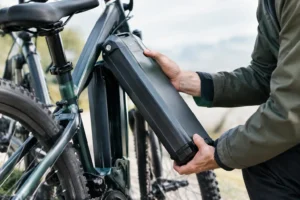
Insurance works best alongside practical habits. A quality lock is one of the most useful purchases an eBike owner can make. Lock the frame to a fixed object whenever possible, not just the front wheel. If your eBike has a removable battery, take it with you when leaving the bike in a public place for an extended time.
At home, store the bike indoors or in a locked garage when possible. Use a weather-resistant cover if it must be kept outside, but remember that a cover is not a security system. Consider a tracking device for a higher-value bike, especially if you regularly park at work, near a beach access point, or while traveling.
Safe riding matters just as much. Use lights when visibility is limited, wear a helmet, maintain your tires and brakes, and give yourself extra stopping distance in rain or on sandy pavement. Florida weather can change quickly, and fat tires or suspension can add confidence on rougher surfaces, but no setup replaces good judgment.
Choosing Coverage That Fits Your Riding Life
There is no single right answer for every eBike owner. A rider who keeps an entry-level eBike inside, rides occasionally on quiet neighborhood streets, and could comfortably replace it may decide insurance is unnecessary. A daily commuter with a premium eBike, expensive accessories, and regular public parking may see real value in coverage.
Think about the replacement cost of your complete setup, not just the bike’s sticker price. Then think about how you use it. Do you haul it on a rack? Ride busy streets? Leave it at work? Take it camping? Carry groceries or gear? The more your eBike supports your day-to-day freedom, the more worthwhile extra protection may become.
If you are still choosing an eBike, test ride before you make your decision. At GO EBIKES, riders can compare fit, comfort, controls, and real-world handling in person, then leave with a professionally assembled bike that suits the way they actually plan to ride. A little guidance up front helps you choose both the right bike and the right level of protection for every mile ahead.