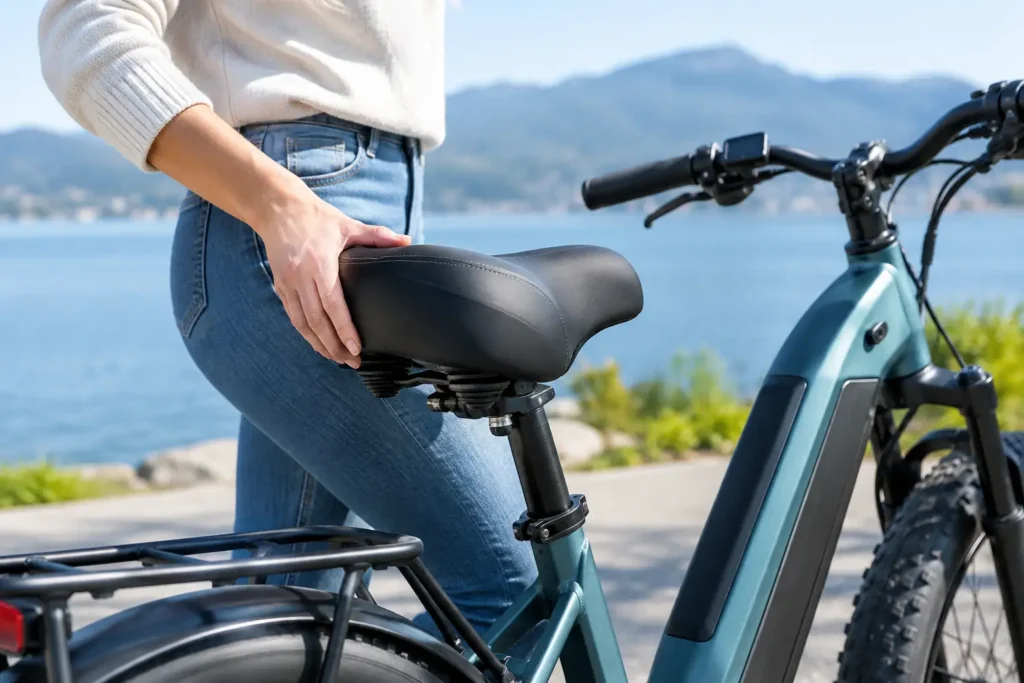
The ride can be perfect – warm Northeast Florida weather, a fully charged battery, and miles of open path ahead – until a sore saddle cuts the day short. An ebike comfort seat upgrade is one of the most practical ways to make your bike feel better matched to your body, your route, and the way you actually ride.
For many riders, especially those returning to cycling after a break, comfort is not a luxury feature. It is what makes the difference between riding once in a while and choosing your eBike for neighborhood errands, waterfront cruising, campground trips, or a regular commute. The right seat can help reduce pressure, support a more natural position, and keep you focused on the fun instead of counting the minutes until the next stop.
Why eBike Seats Need a Different Approach
An eBike often keeps you in the saddle longer than a traditional bicycle. Pedal assist helps you cover more ground with less effort, which is exactly why a seat that felt acceptable on a quick ride can become uncomfortable after 30 or 45 minutes.
Speed and terrain matter too. Jacksonville-area riders may move from smooth neighborhood pavement to patched roads, bike paths, bridge approaches, gravel, or sandy coastal routes. Those small impacts travel through the bike and into your body. A comfort-focused setup helps soften the experience, but the seat is only one part of the equation.
It also helps to separate normal adjustment time from a true fit problem. A little soreness can happen when you are new to riding. Sharp pain, numbness, chafing, or discomfort that begins quickly are signs that the saddle shape, position, or overall bike fit needs attention.
What an EBike Comfort Seat Upgrade Should Solve
The best comfort seat is not automatically the widest or softest option. It should support your sit bones, relieve pressure in sensitive areas, and fit your riding posture. That last point is where many upgrades go wrong.
A rider on an upright step-through city eBike generally places more weight directly on the saddle. That rider may appreciate a wider seat with supportive padding, a pressure-relief channel, or a gently contoured shape. Someone riding a more forward-leaning fat-tire or performance-oriented model may need a narrower platform that supports the sit bones without rubbing the inner thighs as they pedal.
A good ebike comfort seat upgrade can improve several common issues at once:
- Pressure or numbness during longer rides
- Hip, low-back, or tailbone discomfort caused by poor support
- Chafing from a saddle that is too wide, too narrow, or poorly shaped
- Fatigue caused by constantly shifting around to find a comfortable position
Notice that extra padding is not the first item on that list. Thick, overly soft cushioning can feel wonderful in a parking-lot test, then compress and create pressure points on a longer ride. Supportive foam, quality gel placement, and a shape that matches your position usually matter more than a pillow-like feel.
Choose a Seat for How You Ride
Start with the kind of riding you want to do most often, not the occasional all-day adventure. Your everyday use should guide the choice.
Upright Cruising, Errands, and Casual Recreation
If your EBike is used for relaxed neighborhood rides, trips to a local shop, paved trail cruising, or casual rides with friends and family, a comfort saddle with a broader rear section is often a smart fit. Look for supportive padding rather than excessive softness. A center relief channel or cutout can also help reduce pressure on longer seated rides.
This is a popular approach for step-through riders and many electric trike riders because the position is naturally more upright. It can also work well for riders who value easy mounting, stability at stops, and a relaxed pace over aggressive pedaling.
Commuting and Longer Mixed-Surface Rides
Commuters usually need a seat that balances comfort with freedom to pedal. If you ride several miles to work, travel across mixed pavement, or use pedal assist at higher speeds, a medium-width saddle often gives better support without feeling bulky.
Consider your clothing, too. Casual shorts, work clothes, and jeans create more friction than padded cycling shorts. A smooth saddle cover and a properly adjusted seat angle can make a noticeable difference when you are riding in everyday clothing.
Fat-Tire, Trail, and Adventure Riding
Fat tires already add cushioning, but they do not eliminate the need for the right saddle. On rougher paths and uneven terrain, your body moves more. A saddle that is too wide can interfere with pedaling and make it harder to shift your weight when the ground changes.
Adventure riders may be better served by a supportive, moderately padded seat paired with a suspension seatpost. This combination allows the saddle to remain efficient for pedaling while the post absorbs repeated bumps before they reach your lower back and hips.
The Seatpost Matters More Than Most Riders Expect
If the road feels harsh, replacing the saddle alone may not completely solve it. A suspension seatpost adds travel between the bike frame and the saddle, helping take the edge off cracks, roots, uneven pavement, and rough trail sections.
It is especially useful for riders with back sensitivity, joint discomfort, or a preference for a smoother ride. It can also be a great match for heavier eBikes, since these bikes are built to go farther and often encourage riders to explore routes they might otherwise skip.
There is a trade-off. Suspension posts add cost, a little weight, and some movement while pedaling. Riders who want a firm, direct feel may prefer a standard seatpost with a well-fitted saddle. For relaxed recreation and comfort-first transportation, though, a suspension post can be one of the most meaningful upgrades on the bike.
Fit the Saddle Before You Judge It
Even a premium comfort seat can feel wrong if it is installed at the wrong height or angle. Before deciding an upgrade did not work, take a few minutes to check the setup.
Your leg should have a slight bend at the bottom of the pedal stroke. If the seat is too low, your knees do more work and you may feel cramped. If it is too high, you can rock side to side, causing friction and hip discomfort. The right height lets you pedal smoothly while still feeling in control when stopping.
Most riders should begin with the saddle close to level. A very slight nose-down adjustment can reduce front pressure for some people, but tipping it too far forward may make you slide toward the handlebars and put extra strain on your wrists and shoulders. Make small changes, then ride long enough to feel the difference.
Handlebar position plays a role as well. If you are reaching too far forward, more body weight shifts onto your hands and saddle. A local fit check can identify whether the seat is the real issue or whether a small adjustment to the cockpit would create better overall comfort.
Do Not Let a Cover Hide a Fit Problem
Padded seat covers are affordable and can add temporary softness, but they are not always the best answer. A loose cover can shift, trap heat, add friction, or make a saddle too wide. In Florida humidity, that can turn a short ride into an uncomfortable one fast.
A cover makes sense when a saddle is already close to fitting well and you simply want a little more cushioning. If the saddle shape is wrong, start with a proper comfort seat instead. It will look cleaner, stay secure, and usually offer more consistent support.
Test Ride for More Than Five Minutes
A seat can feel great while standing next to the bike and still disappoint on the road. When possible, test ride with your normal posture. Use pedal assist, make a few turns, ride over mild pavement changes, and stay seated long enough to notice where pressure builds.
At GO EBIKES, an in-person test ride gives riders a chance to compare that real-world feel before making a decision. It is also a good opportunity to ask about saddle compatibility, suspension seatposts, and adjustments that suit a specific EBike frame. Free assembly matters here because a comfort accessory performs best when it is installed and positioned correctly from the start. Mokwheel Accessories offer a wider seat that often can be a Free Upgrade. GO EBIKES also offers select seat upgrades from Cloud 9. All seats are on posts so they can be tested on the EBikes.
If you are upgrading an existing bike, bring it in or take clear measurements of the seatpost and rail setup before purchasing. Most modern saddles use standard rails, but seatposts and clamp systems can vary. Confirming compatibility upfront prevents a simple comfort project from becoming a frustrating return trip.
Make Comfort Part of the Whole Ride
A better saddle works best alongside a few habits: wear breathable clothing, stay hydrated, vary your position occasionally, and stand lightly on the pedals over larger bumps when it is safe to do so. These small adjustments reduce repeated pressure and make longer rides easier on your body.
The goal is not to find the biggest seat on the shelf. It is to build an eBike setup that invites you to ride tomorrow, not just finish today. Take the time to sit on a few options, make careful fit adjustments, and choose the support that makes your next Jacksonville ride feel like it can go a little farther.