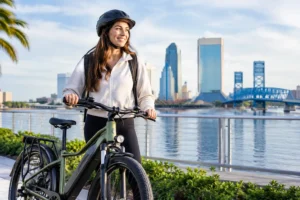
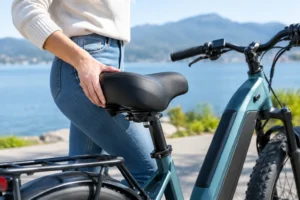
A beach day can change quickly when a phone battery is low, a camping lantern needs charging, or an RV stop has no convenient outlet. An ebike with portable power station brings a useful answer to those moments: transportation to get you there and stored electricity to support the gear you brought along.
For Northeast Florida riders, that is more than a novelty. It can mean riding a quiet trail near the coast, taking a bike to a campground, or parking the RV and exploring without giving up the ability to charge small essentials. The right setup turns your eBike battery into part of a more capable outdoor and travel system.
What an eBike With Portable Power Station Does
A power-station-capable eBike is designed to do more than assist your pedaling. With a compatible portable power station or inverter accessory, the bike’s battery can provide AC or DC power for select devices when you are away from a wall outlet. Think phones, tablets, lights, cameras, small fans, laptops, and other lower-draw equipment.
The key word is compatible. Not every eBike battery can safely or properly power external gear, and a regular battery should never be modified with improvised wiring. Models built for power-station use pair their battery system with purpose-built equipment that manages the output correctly. That protects your devices, helps preserve the battery system, and gives you a more dependable experience when you are off the grid. The Mokwheel models at GO EBIKES that are Power Station EBikes are the Basalt (ST), Obsidian (ST), Onyx (ST) & Scoria. You can find details on these amazing EBikes at https://goebikesfl.com/product-category/fat-tire/
This feature does not replace a home generator or power a full kitchen. It is a practical source of portable energy for the gear that makes a day outside, an overnight trip, or a remote work stop more comfortable. Expectations matter. A phone requires very little power; a high-wattage appliance can drain available energy much faster or may not be suitable at all.
Who Benefits Most From This Setup?
An eBike with portable power station capability makes particular sense for riders who already enjoy getting beyond the parking lot. RV travelers can use the bike for campground errands and local sightseeing, then use compatible portable power for small electronics at the campsite. Coastal riders can bring charging support to a long beach day, while anglers and outdoor explorers can keep communication, lighting, and navigation devices ready.
It also has a place closer to home. If you work from a park, attend youth sports, spend weekends at community events, or want a backup way to charge essential small devices during a short outage, portable bike-based power adds flexibility. It is not about turning every ride into an expedition. It is about having useful options when an outlet is not nearby.
For many Jacksonville-area customers, the appeal is simple: one purchase can support transportation, recreation, and travel. Instead of hauling a separate bike and a separate bulky power source for every short outing, you may be able to build a lighter, more versatile setup around your eBike.
Start With the Ride You Want
Power capability is exciting, but the bike still needs to fit your actual riding. A portable-power feature will not make up for an uncomfortable saddle, the wrong frame style, or tires that do not match the terrain you ride.
A fat-tire eBike is often a strong fit for sandy paths, uneven campground roads, and mixed-surface exploring. The wider tires add confidence and cushion on terrain that can feel harsh on narrow commuter tires. For riders who want more trail comfort, full suspension can reduce the chatter from roots, bumps, and broken pavement.
If your priority is neighborhood rides, paved greenways, or daily errands, a city or step-through model may be the better starting point. Step-through frames are especially easy to mount at frequent stops and are popular with riders who value comfort and accessibility. Folding models can make sense for RV storage, though you should still check folded size, weight, and how easily you can load the bike.
The practical answer depends on where you ride, what you carry, and how you transport the bike. A test ride is the fastest way to feel the difference in frame fit, tire behavior, motor response, and handling.
Plan Your Power, Not Just Your Mileage
Riders often focus on eBike range first, and they should. But a power-station setup introduces a second question: how much energy do you want available after the ride?
Using the battery to power devices can affect the energy remaining for riding, depending on the system and how you use it. If you expect a long return ride, protect enough battery capacity for that trip before charging nonessential gear. Your terrain, rider weight, cargo, assist level, wind, tire pressure, and throttle use all influence real-world range too.
A simple approach is to decide which job comes first. If the bike is your transportation back to camp or the trailhead, riding range comes first. If you are parked for the evening and need to charge a phone, camera, or light, portable power becomes the priority. Planning around that order prevents an avoidable surprise.
It also helps to look at device power needs before you go. Lower-draw personal electronics are generally the sweet spot. High-draw heat-producing appliances, large tools, and equipment with heavy startup loads are a different category. Check the manufacturer guidance for your specific bike, battery, inverter, and device rather than guessing.
The Mokwheel line of Power Station EBikes also offer the ability to charge your Ebike battery by connecting Solar Panels to the inverter. This is an excellent solution to overall power needs while camping or otherwise on the go and away from traditional electrical sources. You can find these great accessory options at https://goebikesfl.com/accessories/
Pack the Gear That Makes It Easier
A capable bike needs a practical carrying plan. A rear rack, basket, panniers, or a secure cargo solution keeps chargers, cords, water, and personal items from shifting around while you ride. For beach and campground use, a weather-resistant bag is a smart addition, but remember that weather-resistant does not mean every electrical component can be left exposed to rain or splashing water.
A helmet, mirror, and lights still matter just as much on an adventure-focused eBike as they do on a commuter. If you ride at dawn, near sunset, or around a busy campground, being visible and aware of traffic makes the day better. A comfortable seat or suspension seatpost can also be a worthwhile upgrade when you plan to spend several hours exploring.
Charging and Safety Habits That Protect Your Investment
Lithium-ion batteries are powerful, compact, and dependable when treated properly. Charge with the correct approved charger, use a dry area with good ventilation, and avoid covering the charger or battery while charging. Inspect connectors and cables before use, especially after a dusty trail day or travel over bumpy roads.
Do not use damaged batteries, chargers, adapters, or power-station components. Keep the battery away from extreme heat, including a closed vehicle in the Florida sun, and do not leave electrical equipment exposed during heavy rain. If something looks swollen, cracked, unusually hot, or damaged after a drop, stop using it and have it inspected.
For RV owners, safe transport deserves attention too. Secure the bike with a properly rated hitch rack or interior tie-down solution, remove accessories that could blow loose, and follow battery transport guidance from the manufacturer. The battery is valuable equipment, not an afterthought.
Is Portable Power Worth It for You?
It is worth it when the feature solves a real part of your lifestyle. A rider who mainly takes short neighborhood loops and charges at home may get more value from comfort accessories, a rear basket, or a lighter commuter frame. A rider who camps, travels by RV, visits remote areas, or relies on devices while outside may see portable power as one of the most useful features on the bike.
The best choice is not always the model with the longest feature list. It is the one that gives you confidence to ride more often and supports the places you already want to go. At Go EBikes, seeing a power-station-capable model in person and test riding before you decide can make the trade-offs much clearer.
Before your next campsite stay, coastal ride, or long weekend away, picture the gear you actually use after you park the bike. If a little extra energy would make that time easier, safer, or more enjoyable, portable power may be the feature that turns a great eBike into your favorite travel companion.