A range number can look huge on a product page, but the miles that matter are the ones between your driveway, the beach trail, your favorite coffee stop, and home again. Mokwheel range test results are most useful when you read them as a real-world planning tool, not a promise that every rider will see the same number every time.
For Northeast Florida riders, range can change quickly with headwinds, soft sand, bridge climbs, summer heat, cargo, and how much you enjoy using the throttle. The good news is that Mokwheel eBikes are designed around substantial battery capacity and comfortable, capable riding. With the right model and riding habits, many riders can cover their regular trips with plenty of charge left for the fun part of the day.
What Mokwheel range test results really measure
Published range figures are generally achieved under favorable conditions: a relatively light rider, smooth pavement, a fully charged battery, Pedal Assist 1, calm weather, and limited hard acceleration. That makes the number a useful benchmark, but it is not a guarantee for every route or rider.
Think of range as a spectrum. A rider cruising paved neighborhood streets in lower pedal assist and contributing steady pedaling can get much closer to a model’s advertised maximum. A rider using high assist or throttle-only power through strong coastal wind, deep grass, loose terrain, or frequent stop-and-go traffic should expect fewer miles.
That is not a weakness of the bike. It is simply how battery-powered transportation works. More speed and more motor output require more energy. The goal is to select a bike whose realistic range fits your longest normal ride, with a comfortable reserve rather than a last-mile gamble.
The biggest factors behind real-world range
Assist level and throttle use
Pedal assist is usually the biggest range decision you make from the handlebar. Lower settings let the motor support your effort while preserving battery power. Higher settings make acceleration easier, flatten headwinds, and take the sting out of a long ride, but they use more energy.
Throttle use is wonderfully convenient when pulling away from intersections, getting moving with a loaded rear rack, or giving tired legs a break. If you ride primarily on throttle at higher speeds, however, your range will be noticeably lower than a pedal-assist test result. Riders who want maximum distance should use the throttle strategically and let their own pedaling share the workload.
Speed, wind, and coastal conditions
At higher speeds, wind resistance rises fast. A brisk headwind along the coast can feel like an invisible hill that follows you for miles. On the way out, it may be tempting to turn up assistance and cruise at top speed. Just remember that your battery has to bring you back, too.
Jacksonville-area riders also see changing conditions in a single afternoon. A calm morning ride can become a gusty return trip, especially near open water. Planning a route with a charging buffer is smarter than treating the displayed range as a finish line.
Rider weight, cargo, and tire pressure
Total load affects range. That includes the rider, a backpack, beach gear, groceries, a child seat, or accessories mounted for travel. A heavier load does not make an eBike impractical, but it asks the motor to work harder, particularly during starts and on hills.
Tire pressure matters more than many riders realize. Underinflated tires increase rolling resistance and can make a bike feel sluggish. Fat tires offer confidence and comfort on varied surfaces, but the right pressure depends on the terrain. Firmer pressure generally rolls more efficiently on pavement, while slightly lower pressure can improve control on rough or loose ground. Stay within the tire manufacturer’s recommended range, and check pressure before longer rides.
Terrain and frequent stopping
A smooth rail trail and a soft sandy access road do not ask the same thing from a battery. Uneven surfaces, grass, loose gravel, sand, and repeated stops all increase energy use. Bridges and overpasses may be short, but climbing them in high assist also draws more power than cruising on flat pavement.
This is where a capable fat-tire or full-suspension model can earn its keep. The added stability and comfort may be worth more to your ride than chasing the absolute highest mileage number. Range is important, but confidence, control, and enjoyment count, too.
How to read Mokwheel range claims before you buy
Start with your actual riding routine. If you plan to ride six miles to work and six miles home on paved roads, you do not need to shop as if every outing will be a 70-mile expedition. If you want to explore state parks, tow gear around an RV campground, or ride long coastal routes, a larger battery and wider range margin make much more sense.
Ask yourself how you prefer to ride. Do you want light assistance while you pedal for exercise? Do you want high assistance because of knee comfort, a long commute, or Florida heat? Will you carry a cooler, panniers, or a passenger-related load? Honest answers are more helpful than choosing a model based on the largest range figure alone.
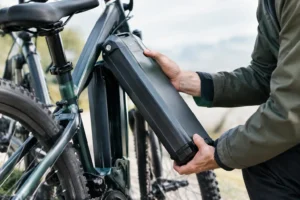
Battery options also change the conversation. Mokwheel models with larger-capacity batteries can give long-distance riders extra confidence. A removable battery adds everyday convenience because you can charge it indoors rather than bringing the entire bike to an outlet. For travel-minded riders, power-station-capable setups can add another layer of flexibility, although extra equipment and charging needs should be part of the decision.
A practical range test for your own bike
The best range result is the one you create on your regular route. Once your bike is fully assembled, fitted, and charged, test it in the conditions you actually ride. Pick a familiar loop that includes the pavement, intersections, wind exposure, and terrain you expect to encounter.
Begin with a full battery. Use the assist level you would normally choose, carry your usual gear, and make a quick note of your starting battery display and odometer. Ride naturally. A range test is less useful if you spend the entire ride pedaling unusually lightly just to chase a number.
After the ride, note the miles traveled, remaining battery indicator, weather, assist setting, and whether you used the throttle often. Repeat on another day if conditions were unusually windy or hot. After two or three rides, you will have a far more useful personal range estimate than any generic online comment can provide.
For longer rides, do not try to calculate every percentage point with perfect precision. Leave a meaningful reserve. Battery displays are helpful guides, but wind, terrain, temperature, and riding style can change the final miles. Arriving home with room to spare feels a lot better than watching the indicator nervously on the last stretch.
Getting more miles without making the ride less fun
You do not have to ride in the lowest setting all day to improve range. Smooth acceleration, steady pedaling, sensible tire pressure, and moderate cruising speed can make a noticeable difference. Use higher assist when it delivers the most value: starting from a stop, climbing, battling wind, or giving yourself a boost near the end of a long day. Mokwheel displays will also indicate when you are riding in ECO Mode vs Power. Maintaining travel in ECO mode uses less battery.
Keep the battery healthy by charging it with the correct charger, avoiding unnecessary exposure to extreme heat, and storing it in a dry, moderate-temperature location when possible. Florida garages can get very hot, so bringing a removable battery indoors is often a practical choice. Regular bike maintenance matters as well. A rubbing brake, dry chain, or poorly adjusted drivetrain can make any eBike work harder than it should.
Accessories can support a better range experience, too. A rear rack or basket helps distribute cargo instead of forcing you to carry a heavy backpack. A mirror helps you ride more confidently in traffic. A comfort seat or suspension post may not add miles to the battery, but it can make those miles much easier on your body.
Test ride for the range feeling, not just the number
Specs are valuable, but a test ride tells you how a bike delivers power, how stable it feels at your preferred pace, and whether the seating position encourages you to pedal comfortably. Those details affect the range you will actually get because they affect how you ride.
At GO EBIKES in Yulee, riders can compare Mokwheel models in person, ask practical questions about their route, and test ride before making a decision. Free assembly means the bike starts its life properly set up, while local guidance can help you choose a frame style, battery configuration, and accessories that fit the miles you want to cover.
The right eBike should make your usual trip feel easier and make the longer ride feel possible. Choose enough real-world range for your plans, keep a reserve for Florida’s surprises, and then let the battery help you say yes to one more mile.