A helmet that feels perfectly adequate at neighborhood cruising speed can feel very different when your eBike is moving at 20 to 28 mph. That is where NTA-8776 helmet certification enters the conversation. It is a helmet standard developed for higher-speed eBike riders and it gives shoppers another useful way to judge protection beyond a basic bicycle helmet label. A standard bicycle helmet is typically only rated for up to 15 mph.
For Jacksonville-area riders, the decision is practical. If your rides include busy roads, longer commutes, bridges, coastal winds, or a any Class Ebike with assist from 20 to 28 mph, a helmet designed with faster riding in mind may be a smart upgrade. The right choice still depends on your bike, route, fit, and riding habits.
What NTA-8776 Helmet Certification Means
NTA-8776 is a Dutch helmet standard created for speed pedelec riders. A speed pedelec is an eBike that can provide pedal assistance at speeds up to 45 kilometers per hour, or about 28 mph. That speed is familiar to many Class 3 eBike riders in the United States and even some Class 2.
Compared with a conventional bicycle helmet standard, NTA-8776 places added attention on two things: greater impact protection at higher test energies and coverage over a larger portion of the head. In simple rider terms, these helmets are intended to address the fact that a fall at faster eBike speeds can carry more force than a fall during a casual 10 mph ride around the block.
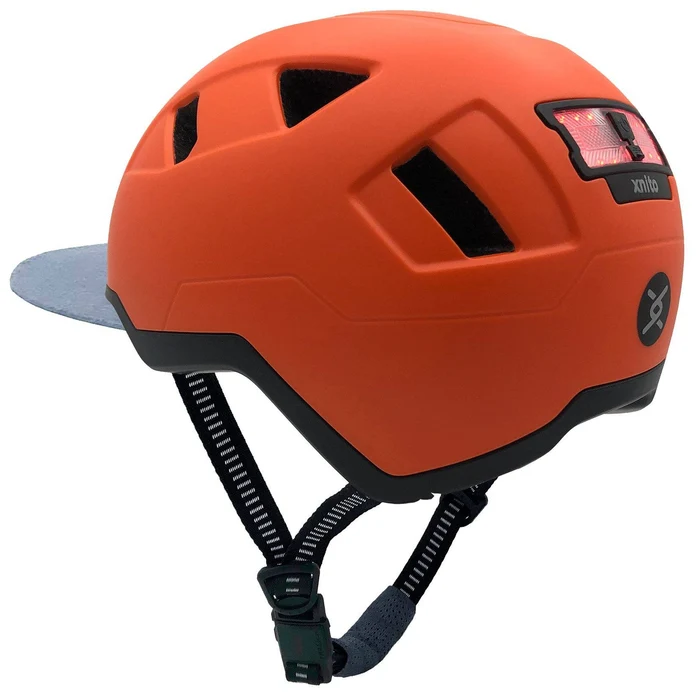
Many NTA-certified helmets cover more of the temple and rear head area than a traditional road-bike helmet. They often look like a refined commuter helmet instead of a bulky motorcycle helmet, with a smoother shell, deeper fit, and practical features such as an integrated rear light or reflective details.
That does not mean every NTA-8776 helmet looks the same, and it does not mean a standard bike helmet is automatically unsafe. Certification is one part of a bigger safety decision. A well-fitted helmet you actually wear on every ride is more valuable than a higher-rated model that stays at home because it feels uncomfortable or awkward.
Why Higher-Speed eBike Riders Should Care
Electric bikes help riders cover more ground with less strain. That is the fun of owning one. It also means many riders spend more time traveling at sustained speeds that are higher than they reached on a regular bicycle.
A commuter may hold 20 mph on a bike lane before turning into traffic near an intersection. A recreational rider may build speed on a long, open stretch of pavement. A fat-tire eBike rider can gain momentum quickly on a packed trail or bridge approach. Those are different situations from a slow neighborhood pedal bike ride, and the helmet should match the way the bike is truly being used.
NTA-8776 certification is especially worth considering for riders who regularly use a Class 3 eBike, commute on streets with vehicle traffic, or enjoy long-distance rides where speed and exposure add up. It can also make sense for a rider who simply wants deeper coverage and a more confidence-building helmet, even if their eBike is limited to 20 mph.
On the other hand, a quality CPSC-certified bicycle helmet can still be a good choice for low-speed cruising, relaxed bike-path riding, and riders who place a high priority on ventilation in Florida heat. Keep in mind these helmets are only rated for up to 15 mph. There is no rule that says every eBike owner needs an NTA-certified helmet. The goal is to choose thoughtfully rather than assuming all helmets are built for the same type of ride.
NTA-8776 vs. Standard Bicycle Helmet Certification
In the United States, CPSC certification is the key federal safety standard for traditional bicycle helmets. If you are buying a helmet for bicycle use here, look for the CPSC label. Many premium eBike helmets carry both CPSC certification and NTA-8776 certification, which can be an appealing combination for riders who want to meet U.S. expectations while choosing added protection for faster eBike use. The NTA-8776 certification is the stronger of the two.
The difference is not that one helmet is “good” and the other is “bad.” It is about intended use. A conventional bike helmet is designed around traditional cycling impacts and coverage requirements. An NTA-8776 helmet is designed around the higher speeds associated with speed pedelecs, with testing that reflects that use.
Do not confuse NTA-8776 with a motorcycle helmet approval. Motorcycle helmets are built for another category of vehicle and may offer different kinds of protection, but they can also be heavier, hotter, and less practical for pedaling. For most eBike riders, an eBike-specific helmet with the appropriate bicycle certifications offers a better balance of protection, comfort, visibility, and ventilation.
How to Choose an NTA-Certified eBike Helmet
Start with fit, not color. Measure your head according to the helmet maker’s instructions, then try the helmet on before removing tags if possible. The helmet should sit level on your head, low enough to protect your forehead without blocking your view. It should feel snug all the way around, not tight in one spot and loose in another.
Adjust the rear retention dial until the helmet stays in place when you gently shake your head. Then set the straps so they form a clean V around each ear. The chin strap should be snug enough that you can fit only one or two fingers beneath it. If the helmet shifts backward, rocks from side to side, or slides down over your eyes, the size or shape is not right. Many traditional bike helmets have a one size fits most concept, however NTA-8776 helmet are typically sized. Some manufacturers may offer sizes from small to extra large. Being able to try these helmets on in person is a big advantage.
For Northeast Florida riding, comfort features deserve real attention. Large vents help on humid summer days, while a removable visor can be useful when the sun is low on an early commute or afternoon coastal ride. Reflective elements and a built-in rear light can help other road users notice you near dusk. Those features do not replace attentive riding or lights on your eBike, but they add another layer of visibility.
A few features are particularly useful for faster eBike riders:
- A clear NTA-8776 label
- A secure adjustment system that keeps the helmet stable at speed
- Extended coverage around the back and sides of the head
- Good ventilation for warm-weather rides
- Reflective details or an integrated rear light for visibility
MIPS or similar rotational-impact technology is another feature many riders consider. It is not the same as NTA-8776 certification. NTA refers to a certification standard, while MIPS is a helmet design technology intended to help manage certain rotational forces in some impacts. A helmet can have one, both, or neither. If both are available in a helmet that fits well and suits your budget, that can be a strong option, but fit still comes first.
When to Replace Your Helmet
Replace any helmet after a crash where it takes an impact, even if the shell looks mostly normal. Helmet liners are designed to absorb energy, and damage may not be visible from the outside. A helmet that has been dropped hard onto pavement or stored for years in extreme heat also deserves a closer look.
Florida heat is hard on gear. Do not leave your helmet baking in a closed vehicle whenever you can avoid it. Clean it with mild soap and water, let it air dry, and check the straps, buckle, adjustment dial, and shell regularly. If the foam is cracked, the straps are frayed, or the fit system no longer holds securely, it is time for a replacement.
Try the Helmet With the Bike You Ride
The best time to judge an eBike helmet is before you are committed to it. Put it on, adjust it correctly, and sit on the style of eBike you plan to ride. Look over your shoulder as if checking traffic. Notice whether the helmet interferes with glasses, whether it stays put, and whether the visor helps or hinders your view.
At GO EBIKES, riders can test ride before making a decision and get help matching a helmet to their eBike, riding position, and typical routes. That personal fit check matters whether you are choosing a comfortable step-through for local errands, a fat-tire model for weekend exploring, or a faster commuter setup. GO EBIKES offers NTA-8776 helmets from LUMOS https://ridelumos.com/ and XNITO https://xnito.com/ in various sizes and colors.
Your helmet should make you more willing to ride, not less. Choose one that meets the level of protection your eBike use calls for, fits securely every time, and feels comfortable enough that grabbing it becomes as automatic as taking your keys.