A torque sensor can be the difference between an eBike that feels like it is working with you and one that simply adds power after you start pedaling. In a practical torque sensor comparison, the question is not which system has the most technical-sounding specification. It is which one gives you the confidence, control, and comfort you want on the roads, trails, bridges, and neighborhood paths around Northeast Florida.
For some riders, a relaxed ride to the beach, store, or campground calls for easy power with very little effort. For others, especially commuters and active riders, the goal is a natural pedal feel that responds instantly when they push harder. Knowing how the sensor works helps you test ride with a clear idea of what you are feeling.
Torque Sensor Comparison: Torque vs. Cadence
Most pedal-assist eBikes use either a torque sensor, a cadence sensor, or a combination of the two. Both systems can make riding easier. They simply deliver assistance in different ways.
A cadence sensor detects whether the pedals are rotating. Once you begin turning them, the motor provides assistance according to the selected pedal-assist level. This setup is straightforward and often feels wonderfully easy for casual cruising. You do not need to press hard on the pedals to get help. Just keep them moving, and the bike supplies power.
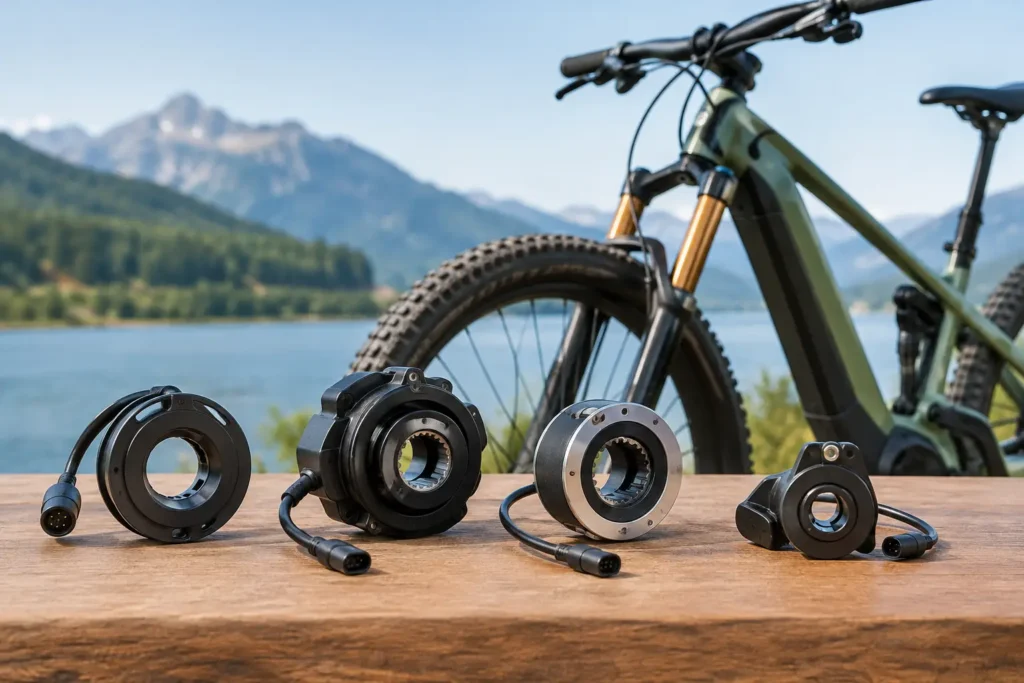
A torque sensor measures how much pressure you apply to the pedals. Press gently, and it delivers gentler support. Press harder for a hill, a quick start, or a headwind, and the motor responds with more power. The result is often closer to the feeling of riding a traditional bicycle with exceptionally strong legs.
Neither is automatically better for every rider. A cadence sensor can be ideal for someone who wants maximum assistance with minimum leg effort. A torque sensor may suit someone who wants smoother acceleration, better pacing, and a more connected pedaling experience.
What a Torque Sensor Feels Like on the Road
The best way to understand a torque sensor is to picture leaving a stop sign. With a torque-based system, a light push on the pedals brings a measured amount of assistance. Push more decisively, and the motor joins in more strongly. There is less of the on-off feeling some riders notice with basic cadence-only systems.
That responsiveness is especially helpful when conditions change quickly. You may be rolling along a flat neighborhood street, then encounter a driveway, a bridge approach, loose sand near a coastal path, or a stiff afternoon headwind. A torque sensor can match your effort rather than making you wait for the system to recognize pedal rotation.
For riders who enjoy being active, this creates a satisfying rhythm. You still choose how much you contribute. The eBike does not take away the ride. It makes your effort go farther.
There is a trade-off. Because torque sensors reward pedal pressure, riders need to put in some pressure to receive the strongest assistance. If your priority is letting the motor do nearly all the work, a cadence sensor or a bike with a well-integrated throttle may feel more relaxing. Cadence Sensors however can feel like the bike is taking off very quickly as compared to a Torque Sensor, as it is only concerned with pedal movement not force.
Smooth starts and better low-speed control
Low-speed control matters more than many first-time eBike shoppers expect. Think about starting on a narrow path, navigating around parked cars, easing through a campground, or turning around in a driveway. A quality torque sensor tends to make power delivery more progressive, which can help the bike feel calmer and more predictable.
This does not mean a torque-sensor eBike is hard to ride. It means the motor is paying closer attention to your input. That can be a major confidence benefit for riders who want assistance without a sudden surge of power.
Hills, wind, and carrying gear
Jacksonville-area riding is not all steep climbs, but wind can be a real challenge, especially near open water. Add a loaded rear rack, a basket, or a full day of essentials, and even mild grades can feel different. Torque sensing is useful here because it responds when you naturally lean into the pedals.
A rider who increases effort to maintain momentum gets more help right when it is needed. On a quality mid-drive eBike, that response can feel particularly effective because the motor works through the bike’s gears. Downshift before a hill, apply steady pressure, and let the system multiply your effort.
Who Should Choose a Torque-Sensor eBike?
Torque sensing is a strong fit for commuters who want controlled starts and an efficient, bike-like ride. It also appeals to recreational riders who enjoy contributing to the motion rather than simply spinning the pedals. If you like the idea of riding farther while still getting meaningful exercise, this is often the system to try first.
It can also be an excellent choice for riders tackling mixed surfaces. Fat-tire and full-suspension eBikes already add comfort and stability over rough pavement, packed trails, and uneven ground. A responsive pedal-assist system gives you another layer of control when traction and speed need careful management.
Experienced cyclists often prefer torque sensors because the response feels intuitive. But this technology is not only for experienced riders. Many newer riders appreciate how naturally it behaves once they take a few minutes to test it.
A cadence-sensor eBike may be the better choice if you have limited knee strength, want the easiest possible pedaling, or mainly plan relaxed rides where you would rather select a power level and spin casually. Electric trike riders, for example, may prioritize stable, low-effort mobility over a highly athletic pedal feel. A throttle can also be a valuable feature for getting moving from a stop or taking a short break from pedaling.
Sensor Choice Is Only Part of the Ride
A torque sensor does not tell the whole story. Motor placement, motor tuning, gearing, tire size, frame geometry, weight, and suspension all shape how an eBike performs. Two bikes with torque sensors can still feel very different.
A mid-drive motor paired with a torque sensor often delivers an especially balanced experience for hills, varied terrain, and riders who shift gears regularly. A hub motor can provide strong, quiet assistance and may be a great fit for flatter routes or riders who value simple operation. Neither setup should be judged by a single feature alone.
Battery capacity also matters. A sensor that encourages you to pedal with intention can help make efficient use of battery power, but real-world range still depends on rider weight, terrain, wind, tire pressure, cargo, assist level, and throttle use. It is better to choose a battery and bike style that match your normal ride than to chase one range number.
Comfort deserves the same attention. A step-through frame can make mounting and stopping easier. A comfort saddle, suspension seat post, mirrors, helmet, and properly adjusted handlebars can transform a good eBike into one you genuinely want to ride several times a week.
How to Test Ride a Torque-Sensor eBike
Do not judge the sensor in the first ten feet. Start in a low assist setting and pedal gently, then gradually press harder. Notice whether the added power arrives when you expect it. Repeat the same exercise in a higher assist level.
Next, practice a few controlled starts and stops. Ride slowly through a turn if the test area allows it. Shift gears and see how the bike responds when you add more pedal pressure. If there is a small incline, use it. That is where many riders immediately understand the difference between simple pedal rotation sensing and torque-based assistance.
Pay attention to your body, too. Are you reaching comfortably to the bars? Can you put a foot down easily at a stop? Does the bike feel stable when power comes on? The right eBike should feel exciting, but never intimidating.
At GO EBIKES in Yulee, an in-person test ride gives you the chance to compare those feelings instead of guessing from a spec sheet. You can see how frame style, motor setup, tires, accessories, and pedal response work together, then leave with a professionally assembled bike set up for the way you actually plan to ride.
The right sensor is the one that makes you want to take the longer route home, ride to the next errand, or say yes to the weekend trail. Put your feet on the pedals, try both styles, and let the ride make the decision clearer.